
Samsung Galaxy XR: The AI-First Headset Challenging Apple's Vision Pro
Samsung unveiled the Galaxy XR on October 21, 2025, marking the company's bold entry into the mixed-reality arena with its first headset built on Google's new Android XR platform. Priced at $1,799, the Galaxy XR is $1,700 cheaper than Apple's M5 Vision Pro, positioning it as a more accessible rival in the premium XR space while competing with Meta's Quest lineup. Developed in partnership with Google and Qualcomm, the headset integrates Gemini AI at the system level, enabling natural interactions through voice, gestures, and environmental awareness. Available now in the US and Korea via samsung.com and Samsung Experience Stores, with global expansion planned for early 2026, the Galaxy XR promises immersive experiences in gaming, productivity, and entertainment. Early buyers through December 31, 2025, receive the Explorer Pack, valued at over $1,000, including 12 months of Google AI Pro, YouTube Premium, and Google Play Pass. This launch, teased as Project Moohan since December 2024, signals Samsung's ambition to lead the Android XR ecosystem, blending AI smarts with a human-centric design for everyday use. Let's explore the Galaxy XR's specs, design, features, and why it's a game-changer in the XR market [news.samsung.com/global/introducing-galaxy-xr-opening-new-worlds].
Design and Comfort: Lightweight and Balanced for All-Day Wear
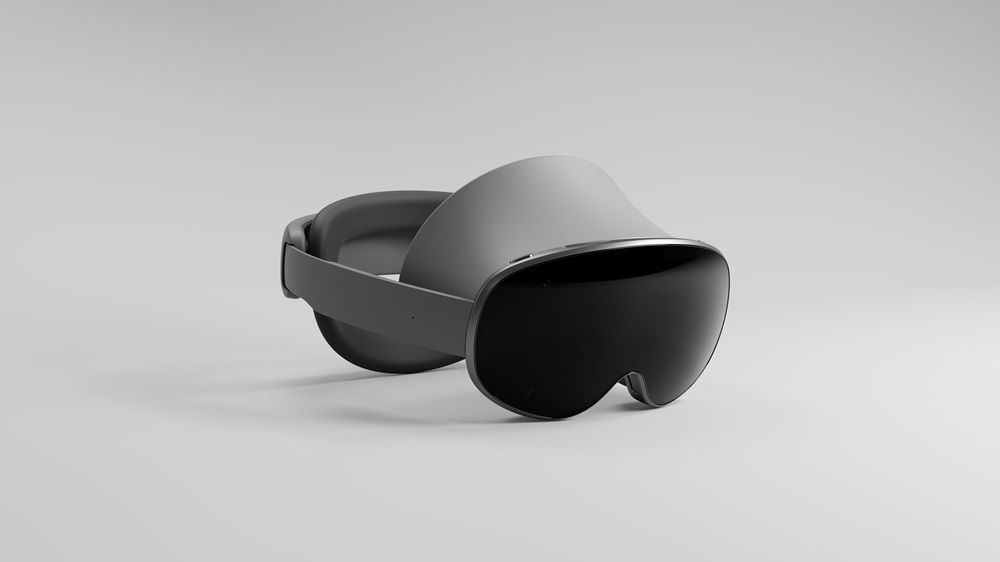
The Galaxy XR prioritizes user comfort with a lightweight frame that distributes pressure across the forehead and back of the head, minimizing facial strain during extended sessions. Weighing just 450 grams (lighter than Apple's 600-gram Vision Pro), it features an ergonomically balanced design with a detachable light shield for optional immersion or ambient awareness. The headset's curved glass front, metal trim, and external battery pack (connected by a cable) give it a sleek, futuristic look reminiscent of high-end ski goggles, available in matte black or silver.
Samsung's "human-centric" approach shines in details like the adjustable headband with breathable fabric and a separate battery pack that reduces weight on the face. Optical inserts for vision correction are sold separately ($99), and the included controllers ($249.99) offer precise tracking. A $249.99 travel case rounds out the accessories. "The headset's design achieves an optimal balance between lightweight and robustness for daily use," Samsung stated in its October 21 newsroom post. Early hands-on reviews from CNN and Tom's Guide praise the comfort, noting "no pressure points after hours of use," a common complaint with bulkier competitors.
Hardware Specs: Powered by Snapdragon XR2+ Gen 2 for Smooth Performance
At the heart of the Galaxy XR is Qualcomm's Snapdragon XR2+ Gen 2 chip, optimized for mixed reality with 12GB RAM and 256GB base storage (expandable to 1TB via microSD). The headset boasts dual 4K micro-OLED displays for high-resolution pass-through, delivering crisp visuals with a 120Hz refresh rate and up to 4,000 nits brightness. Cameras include two for high-res pass-through, six for world-facing tracking, four for eye-tracking with iris recognition, and a 6.5MP sensor for 3D photos/videos. Depth and flicker sensors enhance immersion, while a six-microphone array and dual 2-way speakers (woofer + tweeter) provide spatial audio.
Battery life is impressive at up to 3 hours of mixed use, with the external pack supporting hot-swapping for longer sessions. "The Snapdragon XR2+ Gen 2 enables seamless performance in gaming and productivity," Qualcomm noted in a joint statement. Connectivity features Wi-Fi 7, Bluetooth 6, and USB-C with Thunderbolt 5 for docking. Priced at $1,799, it's a premium offering, but the Explorer Pack sweetens the deal with free access to NBA League Pass, Adobe's Project Pulsar (immersive video editing), Status Pro's NFL PRO ERA, and Calm Premium.
Software and AI Integration: Android XR with Gemini at the Core
The Galaxy XR runs Android XR, a new platform co-developed by Samsung, Google, and Qualcomm, optimized for headsets and glasses with AI from the start. Gemini is integrated system-wide, acting as an "AI companion" that understands surroundings via cameras and microphones, responding to voice, gestures, and context. "Gemini doesn’t follow commands; it helps manage tasks with natural interactions," Samsung explained in its launch post.
Key features include:
- Spatial Computing: View apps on virtual screens, explore Google Maps in 3D, or collaborate in Freeform with hand gestures.
- AI Enhancements: Gemini Live for real-time queries (e.g., "What's that landmark?"), Circle to Search for on-screen lookups, and NotebookLM for research summaries.
- Gaming and Apps: Supports PlayStation VR2 controllers, with titles like Asteroid and TopHatch's Concepts for sketching. Adobe's Project Pulsar enables immersive video editing.
- Privacy and Controls: Iris recognition for unlocking, no persistent tracking, and customizable permissions.
Android XR scales to future devices like AI glasses, with over 100 apps at launch. "Galaxy XR opens new worlds," Samsung stated, highlighting Gemini's role in everyday immersion.
Why Galaxy XR Matters: A Competitive Alternative to Vision Pro
At $1,799, Galaxy XR undercuts Apple's $3,499 Vision Pro while offering similar premium features, targeting consumers and enterprises frustrated with high prices. Reuters noted on October 22, 2025, "Samsung's headset could emerge as a strong contender in the premium VR segment, especially for enterprise." With Android XR's open ecosystem, it promises broader app support than visionOS, and Gemini's AI edge over Siri enhances usability for tasks like navigation or collaboration.
Challenges? The XR market is nascent, with shipments falling 20% year-over-year (Counterpoint, 2025), but Samsung's partnerships and $1,000 Explorer Pack (NBA League Pass, YouTube Premium, etc.) aim to boost adoption. "It's a step toward AI glasses," Google said, positioning Galaxy XR as a bridge to wearable computing.
Final Thoughts
Samsung Galaxy XR ($1,799, launched October 21, 2025) is the first Android XR headset, with Snapdragon XR2+ Gen 2, Gemini AI integration, and spatial computing for gaming and productivity. Lighter than Vision Pro and bundled with the $1,000 Explorer Pack, it's a competitive entry. Will Samsung dominate the XR landscape ahead of both Apple and Meta?